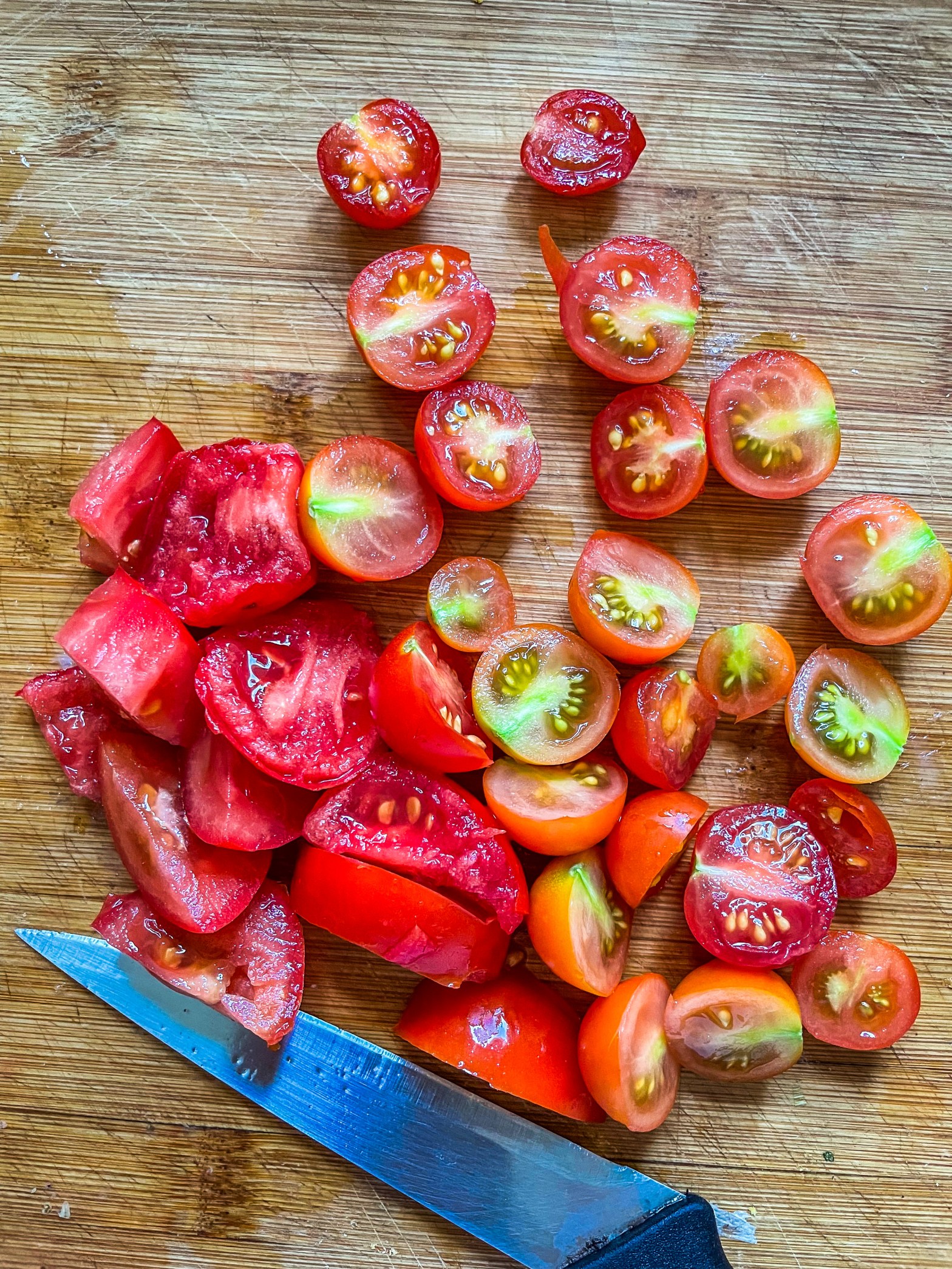
Growing Tomatoes in Florida Zone 10b: Tips for a Bountiful Harvest
Its no surprise to anyone that Florida is the land of endless sunshine. Eternal summer definitely has its pros and cons and While the long growing season and abundant sunshine can help produce a bountiful harvest, the hot, wet weather can also create ideal conditions for pests and diseases. Hopefully in this post, I can teach you some tips for growing tomatoes in Florida zone 10b that will help you overcome these challenges and enjoy a bountiful harvest that ive learned over my 2 growing seasons here. As always, you never stop learning when you’re a gardener! Most of the information below is a culmination of things ive learned via different Facebook groups, youtube and google!
- Choose the right tomato varieties
The first step in growing tomatoes in Florida zone 10b is to choose the right varieties, like with anything else in the garden, the preparation portion is important! Look for varieties that are specifically bred for warm climates and are disease-resistant. Some good options for Florida zone 10b include ‘Celebrity’, ‘Solar Fire’, and ‘Big Beef’. A personal favorite on the Goblinstead are Cherry Tomatoes and Florida Everglades Tomato (the name of this one really says it all!). These varieties are known for their ability to produce fruit in hot, humid conditions and their resistance to common tomato diseases like Fusarium wilt and verticillium wilt. Some important distinctions to note about tomatoes: There are determinate varieties – tomatoes that are “bushier” and stop their shoot production once a bloom forms. And indeterminate varities – tomatoes that keep growing regardless of how many blooms are on each shoot. This is something to keep in mind if space is an issue in your garden!
Here are some other varieties to look at:
- ‘Celebrity’: This variety is a favorite among Florida gardeners for its ability to produce large, flavorful tomatoes even in hot, humid conditions. It is also resistant to many common tomato diseases, including Fusarium wilt and verticillium wilt. This one is a juicy one!
- ‘Solar Fire’: Another popular variety for Florida gardens, ‘Solar Fire’ is known for its high yields of juicy, sweet tomatoes. It is resistant to many tomato diseases, including Fusarium wilt, verticillium wilt, and nematodes. While I have never grown this one myself yet, it does get lovely reviews with fellow FL home gardeners!
- ‘Big Beef’: As the name suggests, ‘Big Beef’ is known for producing large, meaty tomatoes that are perfect for slicing. It is also resistant to many tomato diseases, including Fusarium wilt and verticillium wilt. This one is pretty popular as well, and its super common to find this one in hardware stores with garden centers.
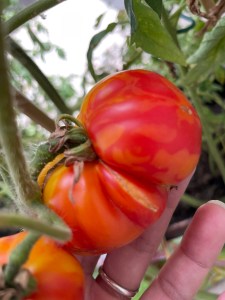
- ‘San Marzano’: If you’re looking to grow tomatoes for sauces or canning, ‘San Marzano’ is a great choice. This variety produces elongated, meaty tomatoes that are perfect for making sauces and paste. Probably one of the most popular varieties out there. This season on the Goblinstead, we have the striped variety of the San Marzano growing.
- ‘Cherokee Purple’: This heirloom variety is known for its unique, dark color and rich flavor. It does well in warm climates and is resistant to many tomato diseases, making it a great choice for Florida gardeners. Definitely another highly rated favorite, you really cant go wrong with this beauty.
- Start with healthy plants
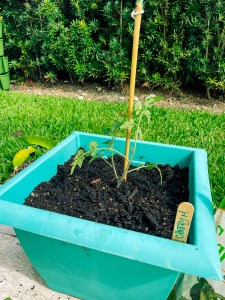
When starting your tomato plants, it’s important to begin with healthy seedlings or transplants. Look for plants that are stocky and vigorous, with dark green leaves and a thick stem. Avoid plants that are spindly, yellowing, or have evidence of pests or disease. Starting with healthy plants will give you a head start on a successful growing season. Having to thin your seedlings out is always heartbreaking to me, but with the tough sun conditions here in FL, its a definite must if you want a solid yield. I always sow about 2-3 seeds per cell in my growing trays and stick with the strongest tomato baby. Depending on the variety you are planting, germination rates can very between 5-8 days. I keep my greenhouse temperature at around 65-85F, higher or lower than this and you risk losing your seed babies. The humidity is a factor I keep an eye on well, and my greenhouse stays somewhere between 70-80%.
- Prepare your soil and fertilizing
When your seedlings are ready for transplant, you want to make sure you have nutrient rich soil for them ready to go. Tomatoes need well-draining soil that is rich in organic matter. To prepare your soil, work in a generous amount of compost or well-rotted manure. You can also add a slow-release fertilizer to provide your plants with the nutrients they need throughout the growing season. Be sure to mix these amendments into your soil thoroughly, as this will help improve soil structure and water-holding capacity. One of my most used ferts for tomatoes is Espomas Organic Tomato Tone (dont worry, its not an affiliate link or sponsor, I just really, really like this stuff!). Tomatoes are often referred to “heavy feeders”, so sometimes I think its really easy to over-fertilize them (thats definitely happened to me and to the detriment of my plants, sad times). You want to focus on fertilizing right at transplant time, and right before they start to fruit – when you see the blooms! While there are many different ways and times to fertilize, this has been the way its worked best for me. I focus on nitrogen for leaf growth and phosphorus to aid in fruit production and flavor!

- Plant your tomatoes correctly
When planting your tomatoes, be sure to give them plenty of space to grow. From my reading, the “correct” spacing for plants is at least 2-3 feet apart to allow for good air circulation. I use 4×8 metal garden beds, so I only plant about 2 tomatoes in each bed, depending on the variety. Most of my tomatoes are container friendly and I use 12 in or 16in planters as well. If planting directly in ground or in containers, you still want to Plant your tomatoes deeply, burying them up to the first set of leaves. This will encourage strong root development and help your plants withstand hot, dry weather.
- Water your plants consistently
Tomatoes need consistent moisture to thrive, so be sure to water them deeply at least once a week, more often during hot, dry weather. During the spring and summer seasons here in FL, I sometimes have to water 2-3 times a day! It really does get that hot sometimes. On overly hot days, you may notice come afternoon that the leaves will look wilty and sad. Worry not! They arent dead, they are just really thirsty. Giving them a good soak will perk them right up again. Avoid getting water on the leaves, as this can encourage fungal diseases, and the leaves can scorch with the sun faster if they stay wet for too long. Use a soaker hose or drip irrigation system to water at the base of the plants.
- Protect your plants from pests and diseases
Florida zone 10b is home to a variety of tomato pests and diseases, including spider mites, whiteflies, and early blight…and the fiercely hated hornworm. To protect your plants, use organic pest control methods like spraying with neem oil or introducing beneficial insects like ladybugs. Keep an eye out for any signs of trouble and act quickly to prevent the spread of pests or diseases.
- Provide support for your plants
Tomatoes want to grow along the ground, naturally and benefit from being trained up a stake, trellis, or cage. Tomato cages are a very popular option, but i find what has worked best for me are bamboo stakes and twine. its simple and doesnt require a lot of labor or maintenance. The main point is to help keep them off the ground, and protect the fruit from bugs and rot.
- Harvest your tomatoes at the right time

Tomatoes are ready to harvest when they are firm, fully colored, and pull easily from the vine. Avoid picking them too early or they may not ripen properly. If you notice any cracks or soft spots on your tomatoes, they should be harvested immediately to prevent spoilage. Waiting for them to be ripe is probably the longest part, in my opinion…and the hardest! Sometimes it can feel like it takes weeks to see that pink flesh turn bright red! you want to be aware of what the fully ripe color of the variety you are planting is, so you can always be ready to pick them!

And…thats it! While growing tomatoes in Florida zone 10b requires some special considerations due to the region’s hot and humid climate, its definitely an awesome place for it! Hopefully reading through this can help you in choosing the right tomato varieties, starting with healthy plants, preparing your soil, planting correctly, watering consistently, protecting from pests and diseases, and providing support. Before you know it, you’ll be a tomato pro, with fruit coming out of your ears!

 GoblinSteader