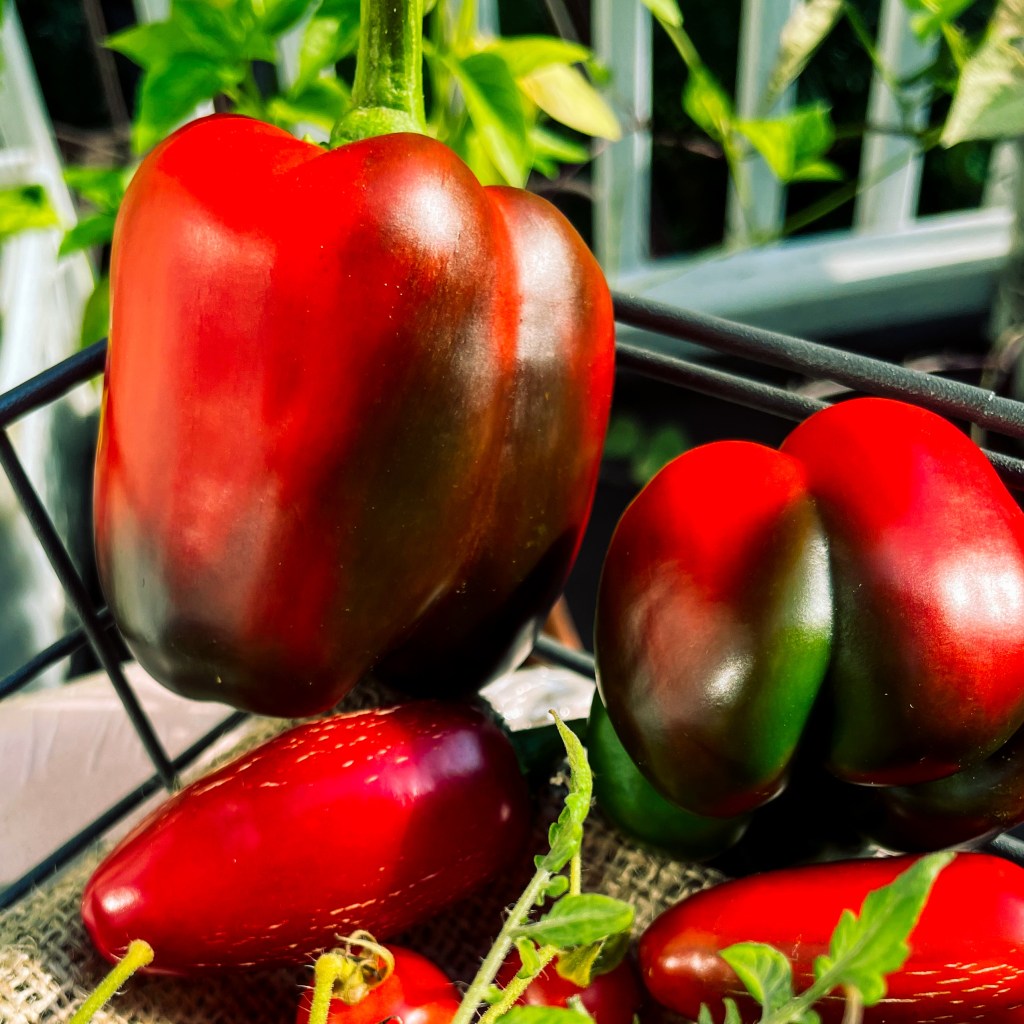
Are you ready to spice up your garden game in Florida Zone 10b? Look no further than sweet peppers! Not only are they delicious, but they also come in a rainbow of colors that will make your garden pop. From red to yellow to green, your garden will look like a traffic light on steroids.
But enough about aesthetics, let’s get down to business. Growing sweet peppers in Florida can be a challenge, but with our expert tips, you’ll be a pepper pro in no time. Just don’t let your neighbors catch wind of your success, or you’ll have to start running a pepper protection program.
So, grab your gardening gloves and let’s get planting. It’s time to grow some sweet peppers that will make your taste buds dance and your garden glow.

Choosing the Right Variety: The first step in growing sweet peppers in Florida is to choose the right variety. Some of the best varieties for Zone 10b include California Wonder, Sweet Banana, and Cubanelle. These varieties are well-suited to Florida’s warm climate and produce large, flavorful fruits. Some Other varieties you can check out include:
- Carmen: This variety produces elongated, tapered peppers that are red and have a sweet, juicy flavor. They are great for roasting and grilling.
- Jimmy Nardello: This Italian heirloom variety produces long, thin peppers that are red and have a sweet, fruity flavor. They are great for sautéing and frying.
- Marconi: This variety produces long, tapered peppers that are red and have a sweet, mild flavor. They are great for grilling and stuffing.
- Sweet Chocolate: This variety produces blocky, bell-shaped peppers that are brown when mature and have a sweet, rich flavor. They are great for roasting and stuffing.
- Yum Yum: This variety produces elongated, tapered peppers that are yellow when immature and turn red when fully ripe. They have a sweet, fruity flavor and are great for salads and stir-fries.
Preparing the Soil: Preparing your soil can take a bit of tinkering depending on where you live, and definitely a lot of love.
It’s like preparing a fancy meal for a picky eater – you want everything to be just right.
First, you’ll want to get your soil nice and loose, like me after a few glasses of wine, loose (kidding, but you know what I mean). You can use a garden fork or a tiller, but just be sure not to get too carried away!
Next, you’ll want to mix in some compost like a master chef adding a secret ingredient to a recipe. It’s the magic touch that will make your sweet peppers sing (or at least grow).
But wait, there’s more! Don’t forget to add some organic fertilizer, like the powdered sugar on top of a fresh-baked cake. It’ll give your sweet peppers the energy they need to really shine. And finally, you’ll want to water your soil like you’re serenading your sweetheart. Give it all the love and attention it needs, because a well-hydrated soil is a happy soil (and happy soil = happy sweet peppers).
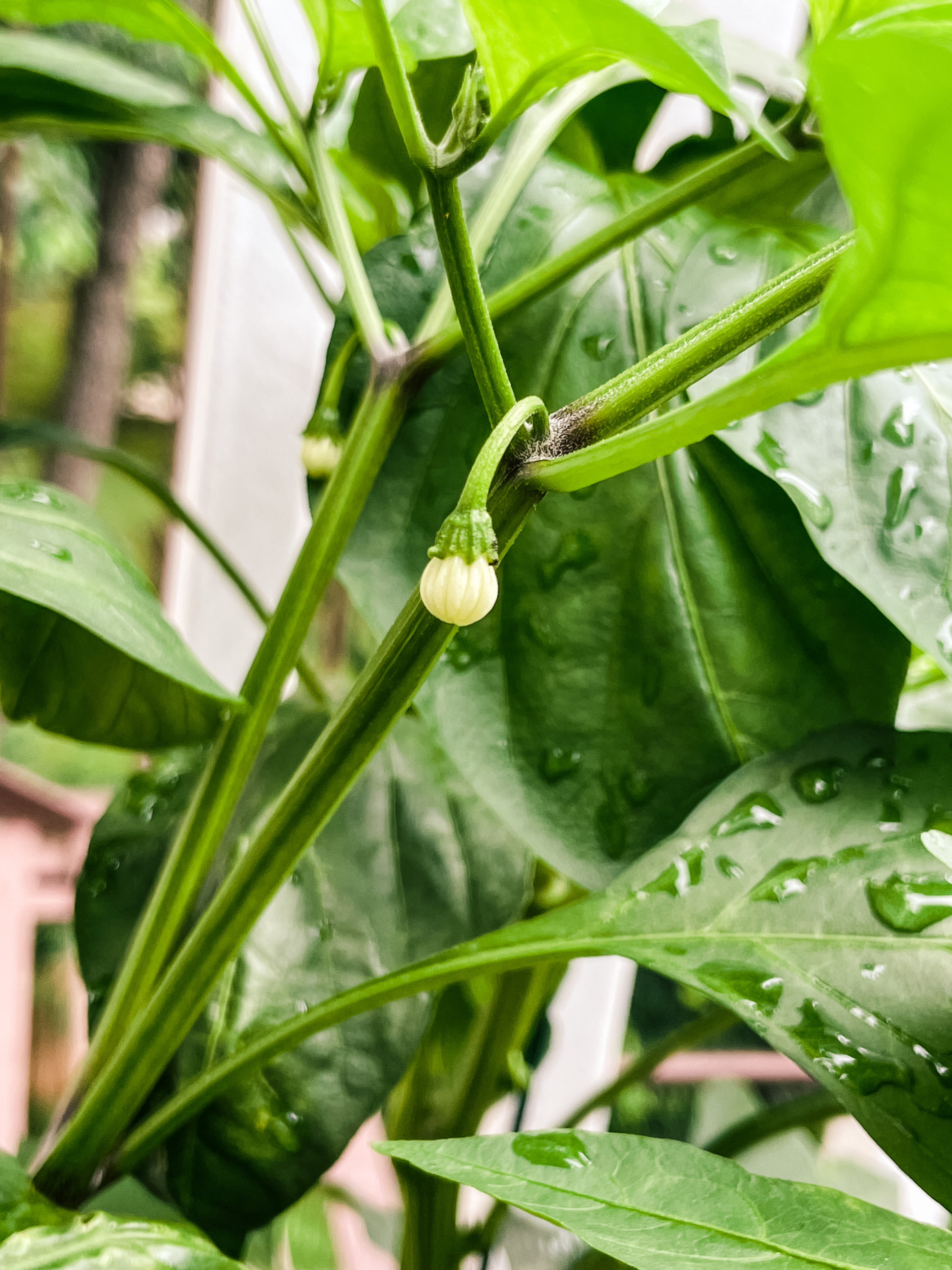

Planting: Plant sweet pepper seeds indoors 8-10 weeks before the last frost date in your area, which honestly this is basic stuff here…but we dont really have to worry about that in our zone, the eternal sunshine helps with that. But its still something to look out for if youre in central Florida where it can get a little cold sometimes. Once the seedlings have 2-3 true leaves, transplant them to individual pots, because very much like teenagers, they like their own space. When the outdoor temperature is consistently above 65°F, it’s safe to transplant your seedlings to the garden (another thing I dont worry about it Miami lol). Space plants 18-24 inches apart and provide support, such as a tomato cage or stake, for the plants to grow upright. Smaller pepper friends wont need as much support as larger varieties, so thats something to keep in mind too!
Care: Sweet peppers require consistent moisture to grow and produce fruit. Water deeply once or twice a week, depending on weather conditions. Avoid getting the leaves wet when watering, as this can promote disease. Fertilize your plants once a month with a balanced fertilizer to provide the nutrients they need to grow strong and healthy. Watch out for pests like aphids and spider mites, and take action quickly to prevent damage to your plants.
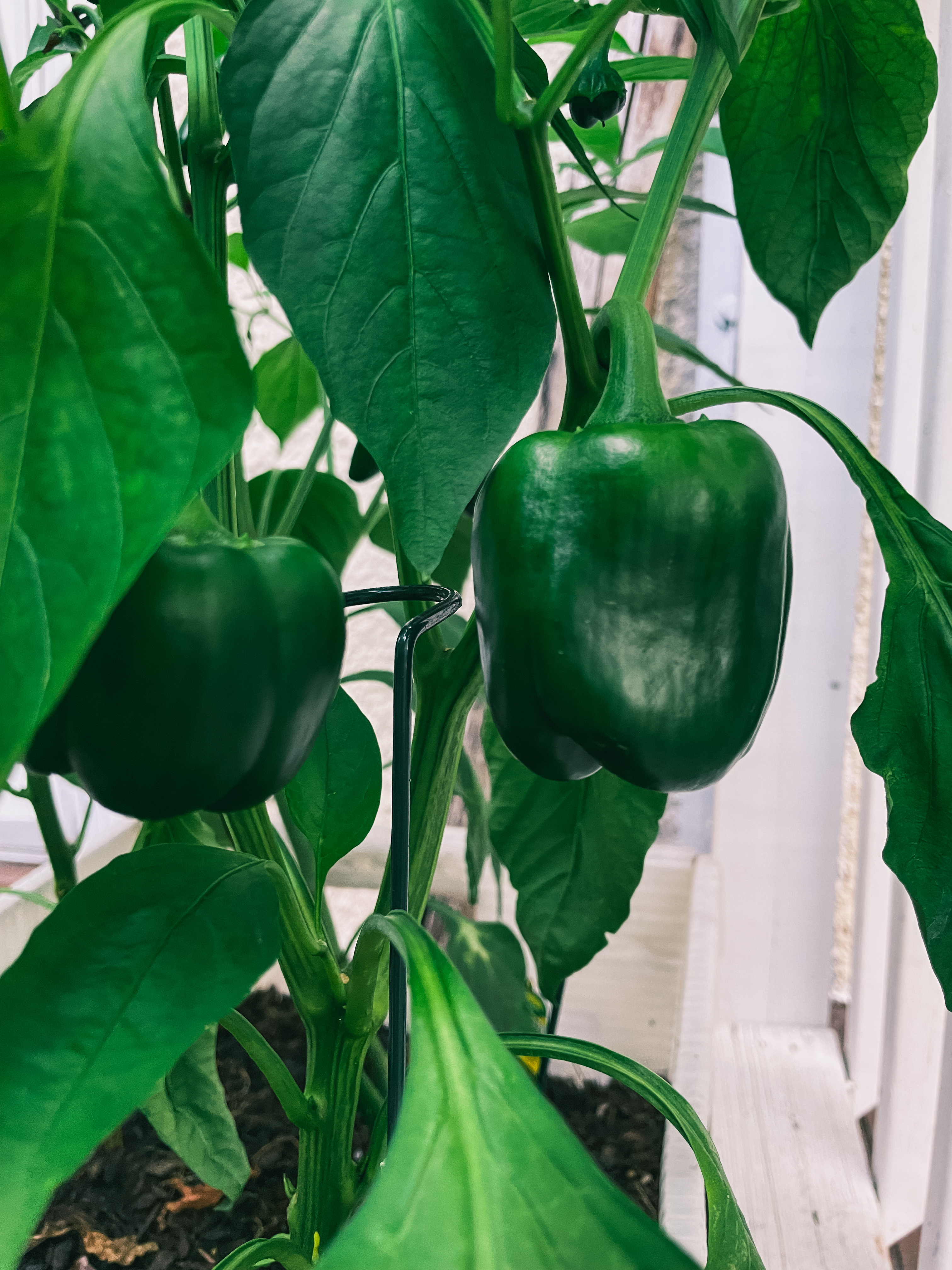
Harvesting: Harvesting sweet peppers is like a treasure hunt. You never know what you’re going to find hiding under those lush green leaves. It’s like an episode of “Storage Wars,” but instead of abandoned storage units, you’re searching for ripe sweet peppers. You want to be mindful of the color theyre supposed to be. That may sound obvious, but ive made both mistakes – harvesting too early AND too late. some peppers you can pick when they are red or green (like bells!) and some need extra time to get darker, like a chocolate variety.
Once you’ve gathered all your sweet peppers, give them a little pep talk. “You’re the best sweet peppers in the world, and you’re going to make some lucky person very happy,” you might say. It’s important to keep their confidence up, you know.
And finally, enjoy the fruits of your labor (or should we say, vegetables of your labor). Whip up a tasty dish with your sweet peppers and revel in the satisfaction of knowing you grew them yourself. It’s like winning the lottery, but with veggies.
Companion Plants: Who says peppers can’t have friends? When it comes to companion planting, sweet peppers have some great buddies to hang out with in the garden.
Basil is like the cool kid at school that everyone wants to be friends with. It’s not only a great companion for sweet peppers, but it also adds some serious flavor to your meals. Just don’t let it hog the spotlight too much, or your peppers might get jealous.
Marigolds are the tough guys of the garden, ready to protect their sweet pepper friends from pests and other undesirables. They’re like the bouncers at the club, keeping the riff-raff out and making sure everyone has a good time.
Nasturtiums are the social butterflies of the garden, attracting beneficial insects like bees and ladybugs to hang out with their sweet pepper pals. They’re like the party animals of the garden, always ready for a good time and keeping things lively.
Onions are the mysterious and alluring characters of the garden. They repel pests and fungal diseases like it’s nobody’s business, making them the perfect companions for sweet peppers who need a little protection from the dark side.
And last but not least, tomatoes are the family members of the garden, always there for their sweet pepper siblings and providing them with shade and support. They’re like the big brothers and sisters who look out for their younger siblings and make sure they’re doing okay.
So, don’t be afraid to let your sweet peppers make some new friends in the garden. Who knows, they might just become the talk of the town (or at least the talk of the vegetable patch).
Growing sweet peppers in Florida Zone 10b is a rewarding experience that can yield a bountiful harvest of flavorful fruits. By choosing the right variety, preparing your soil, planting and caring for your plants properly, and harvesting at the right time, you can enjoy a successful pepper harvest. With these tips and tricks, you’ll be on your way to growing sweet peppers like a pro.

And that…is that! But before we go:
Why don’t peppers like to get into fights?
Because they don’t want to get jalapeño business!
 GoblinSteader